
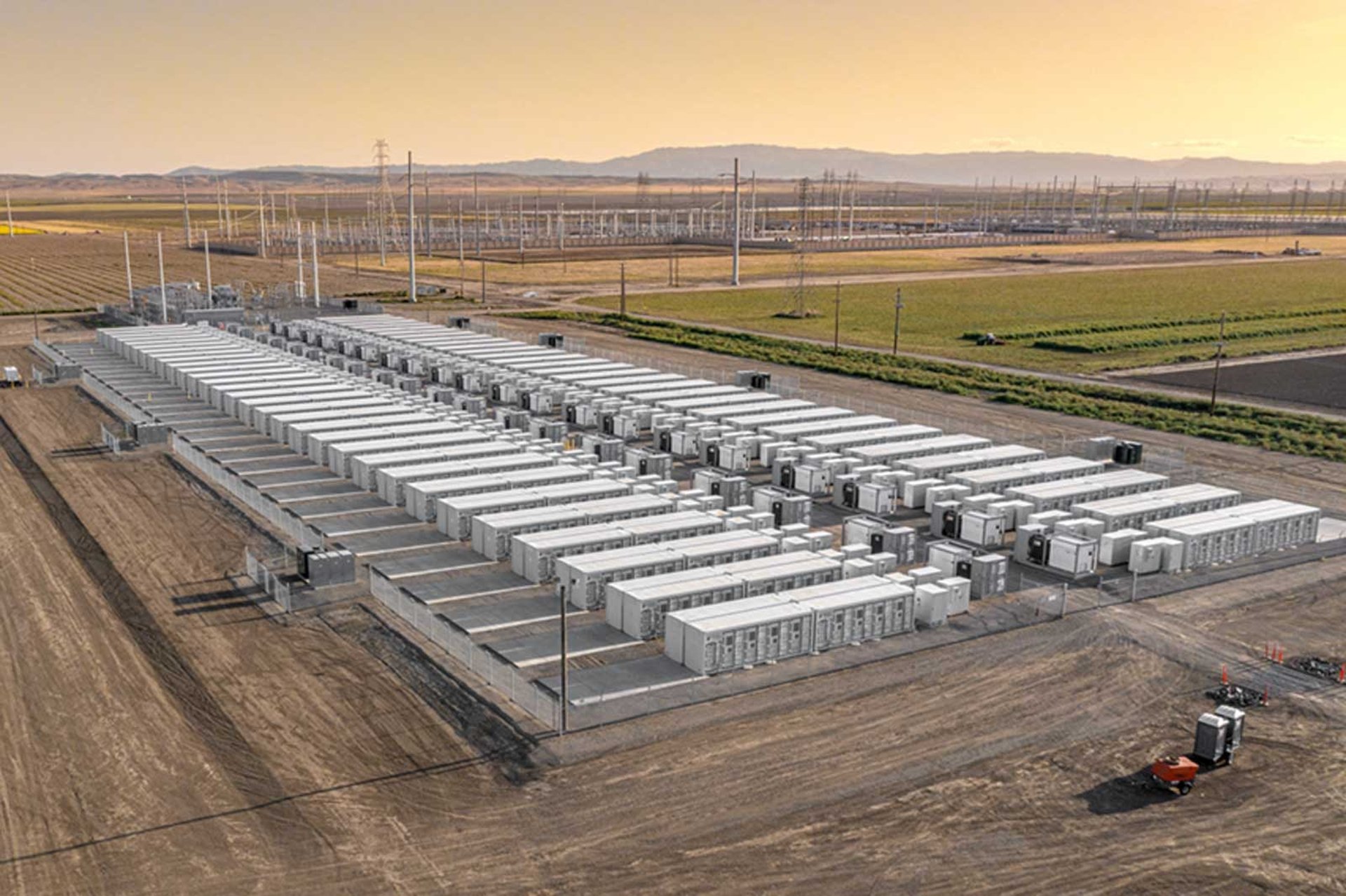
Overview of the Proposal
A utility-scale Battery Energy Storage System (BESS) has been proposed within close proximity to residential neighborhoods, schools, and critical infrastructure in Hauppauge. These facilities typically use large-scale lithium-ion battery arrays housed in industrial containers to store electricity and support grid reliability.
As outlined in the committee’s Initial Statement of Concern, the Hauppauge Community Action Committee (HCAC) recognizes the importance of clean energy and grid modernization. However, the central issue is not the concept of energy storage itself — it is the proposed siting, scale, and safety planning associated with this specific project.
HCAC’s mission is to ensure transparent, responsible decision-making that prioritizes public safety and environmental protection
The proposed BESS site is situated near:
Residential neighborhoods
Schools
Critical community infrastructure
Densely populated areas
Lithium-ion battery facilities present unique fire and chemical risks. When located near homes and schools, the potential consequences of a thermal event extend beyond property damage and may include evacuation challenges, smoke exposure, and long-term environmental concerns.
Responsible siting requires careful analysis of buffer zones, population density, and risk mitigation planning.
Location & Proximity Concerns
Lithium-ion BESS installations have documented incidents involving:
Thermal runaway events
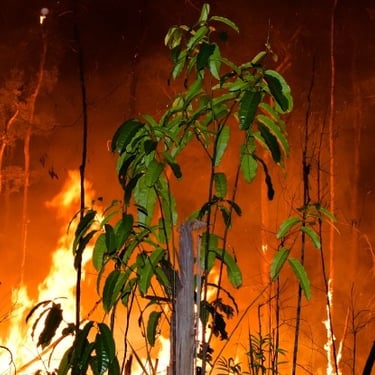
Fires that are difficult to extinguish
Toxic smoke release
Re-ignition risk after suppression
In some cases nationally, emergency response protocols have relied on a “let it burn” strategy due to the complexity of extinguishing lithium-ion battery fire
Key safety questions include:
What fire suppression systems will be required?
What setback distances are proposed?
What evacuation protocols are in place?
How will risk be minimized for nearby residents and schools?
HCAC’s position is that these questions must be answered clearly and publicly before approvals move forward.
Safety Considerations
Potential environmental concerns include:
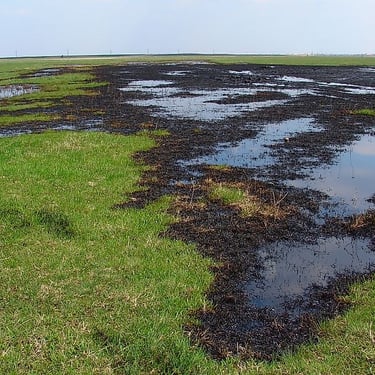
Groundwater contamination
Air quality impacts from smoke or chemical release
Long-term soil remediation needs
Cumulative risk to nearby ecosystems
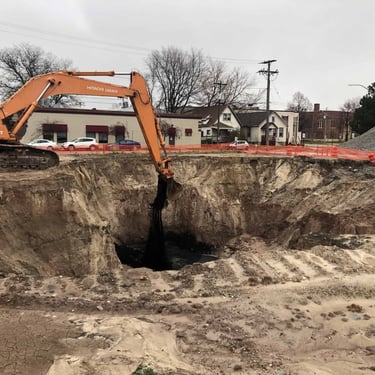
Lithium-ion battery incidents can release hazardous materials, and remediation may require extensive cleanup depending on the severity of an event.
Environmental review should address not only normal operations, but worst-case scenario planning.
Environmental Considerations
Emergency Response Considerations
One of the committee’s primary concerns is emergency preparedness.
Questions raised include:
Are local fire departments trained for lithium-ion BESS incidents?
Do they have specialized equipment required for battery fires?
What coordination exists between local, county, and state agencies?
Who bears the cost of training, equipment, and long-term response planning?
As stated in the Initial Statement of Concern, clarity regarding emergency readiness is essential before project approval.